
Youth sports now exist inside a constant stream of images. Between smartphones on the sidelines, league apps updating in real time, and social feeds filled with game-day highlights, most families end a season with more photos than they can realistically organize. Yet despite that abundance, sports composite photography continues to hold a distinct and surprisingly stable place in how teams are remembered.
Composite photography is a structured format where individual athlete portraits are arranged into a single designed team layout. In youth sports, it ensures every player is represented consistently, even if they were photographed at different times or under different conditions. It is less about capturing a moment in motion and more about building a complete visual record of a season.
That distinction matters more today than it did a decade ago. The more digital and fast-moving youth sports becomes, the more value families and programs place on images that feel deliberate and permanent rather than spontaneous and scattered.
From Constant Images to Curated Identity
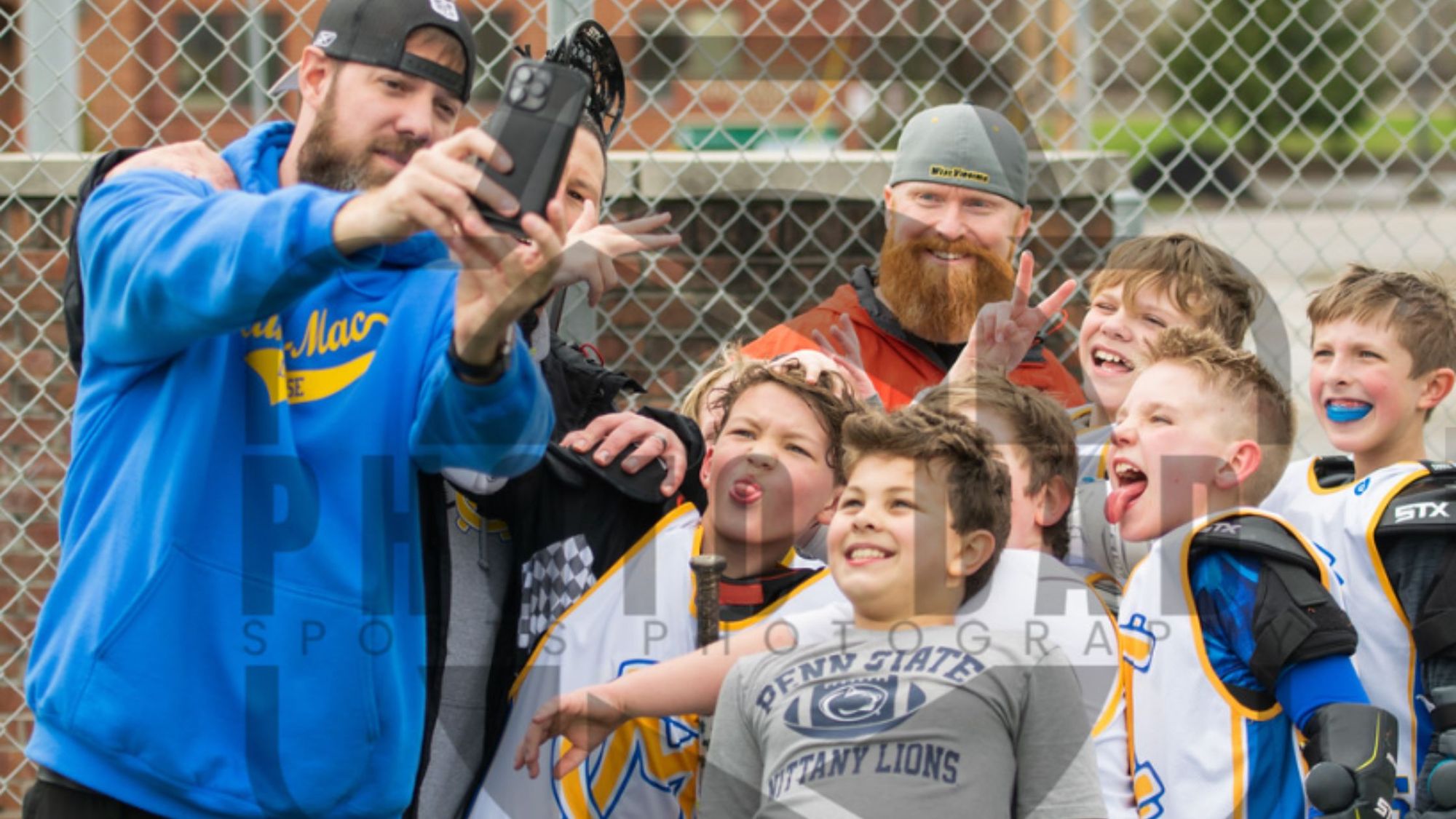
Modern sports seasons generate an overwhelming amount of visual content. Parents film games from multiple angles, coaches share highlight clips, and teams post weekly updates. Individually, these images matter. Collectively, they often lack structure.
Composite photography steps into that gap by reducing volume rather than adding to it. Instead of more content, it offers organization. One framed layout can represent an entire roster, complete with consistent lighting, coordinated design, and team identity built into a single visual frame.
In that sense, sports memory mate photos function as a response to digital overload. Families are not struggling to find images anymore. They are struggling to make sense of them. A Memory Mate solves that by pairing an athlete’s individual portrait with their team photo, creating a single piece that summarizes both personal identity and group belonging.
The shift is subtle but important. The question has moved from “How many photos do we have?” to “Which image actually represents the season?”
What Changed in the Look and Purpose of Composites
Older sports composites were often visually loud. Heavy borders, bright gradients, and dense layouts were common. They reflected design tools of the time more than the athletes themselves. The goal was visibility, not subtlety.
Today’s sports composite photography has moved in a different direction. Clean layouts, balanced spacing, and stronger emphasis on portrait quality define most modern designs. The athlete is no longer surrounded by visual noise. The composition is built to highlight identity, not compete with it.
This evolution also mirrors how youth sports programs now present themselves. Teams think more intentionally about branding, uniform design, and digital presence. Composites are no longer just printed keepsakes. They are part of a broader visual system that includes websites, banners, and social media identity.
As a result, design decisions matter more than ever. Typography, color coordination, and portrait consistency all contribute to how a team is perceived beyond the field or court.
Why Memory Mates Continue to Endure
Even with shifting design trends, sports memory mate photos remain one of the most requested formats in youth sports photography. Their appeal is not based on nostalgia alone. It is based on function.
A Memory Mate brings together two essential perspectives: the individual athlete and the team they belong to. Action photography shows performance. Team photos show membership. Memory Mates combine both into a single visual reference point for the season.
For families, that combination often becomes the most complete representation of their child’s sports experience. It is not dependent on a single game or highlight. It reflects participation, presence, and place within a group.
There is also a practical advantage. Memory Mates translate well across uses, from framed prints at home to yearbook pages and seasonal displays. Their structure gives them a permanence that casual digital photos rarely achieve.
Youth Sports Culture Feels Different Across Pennsylvania Communities
Across Pennsylvania, youth sports carry a rhythm that feels both familiar and distinctly local. From small-town leagues to larger suburban programs, there is a shared emphasis on continuity rather than spectacle. Teams are built season after season, often with the same families returning to the same fields, gyms, and weekend schedules. That consistency shapes how photography is used and valued.
In this environment, sports composite photography and structured team portraits tend to take on a practical role beyond aesthetics. They become part of how programs document progression across age groups and seasons, especially in communities where athletes move steadily from recreation leagues into more competitive school-level play. The imagery is not just about a single roster, but about tracing development across Pennsylvania’s layered youth sports ecosystem.
What stands out most is how embedded these traditions are in everyday routines. Whether it’s a Saturday morning tournament or a weekday practice under fading daylight, photography becomes part of the seasonal structure rather than an afterthought. That steady cadence is what gives Memory Mates and composites their lasting relevance in the region.
Why Structured Photography Still Matters in a Fast Season
Youth sports move quickly. Practices overlap with games, tournaments stretch weekends thin, and entire rosters can change in a single year. In that environment, structured photography becomes more valuable, not less.
Composite photography does not try to capture everything. It does something more focused. It defines the season visually in a way that is easy to understand, easy to display, and easy to revisit years later without explanation.
That is why sports composite photography and sports memory mate photos continue to hold relevance even in a smartphone-heavy world. They bring order to a space defined by motion. They create clarity in a season full of noise. And they ensure that every athlete, regardless of role or visibility, has a lasting place in the visual record of their team.